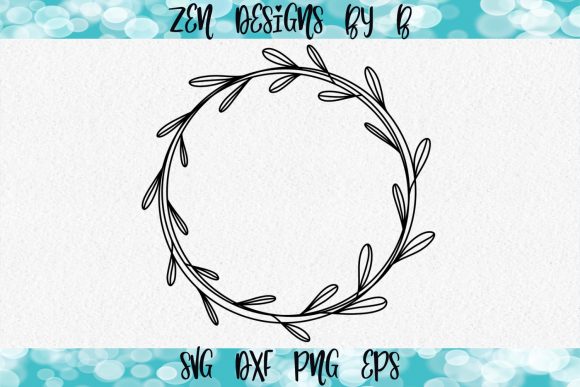
Exploring the Elegance and Versatility of Floral Line Art Illustration
Floral line art illustration is a minimalist yet expressive form of artwork that captures the beauty and intricacy of flowers through simple, clean lines. This style has gained popularity in various creative fields, from graphic design to publishing, due to its versatility and timeless appeal. In this article, we'll explore how floral line art illustration can be integrated into different workflows, providing practical tips and insights for professionals and enthusiasts alike.
Understanding Floral Line Art Illustration
Floral line art illustration focuses on the essential elements of a flower, using minimalistic lines to create a detailed and elegant image. This style often eliminates shading and color, relying solely on the interplay of lines to convey form and texture. The result is a visually striking and versatile piece that can be used in a wide range of applications.
Where It Fits in the Creative Process
Floral line art illustration can be a valuable asset at various stages of a project, whether it's in the planning, execution, or final touches. Here’s how it can be integrated:
- Conceptualization and Planning: Use floral line art illustrations to visualize ideas and themes. They can serve as a starting point for more detailed designs or as placeholders in mockups.
- Design and Execution: Incorporate these illustrations into graphic designs, branding materials, and digital content. Their simplicity makes them easy to integrate without overwhelming other design elements.
- Final Touches and Presentation: Add a touch of elegance to your final products, such as book covers, websites, or marketing collateral. The clean lines of floral illustrations can enhance the overall aesthetic and professionalism of your work.
Preparation and Compatibility
Before integrating floral line art illustration into your projects, consider the following:
- Define Your Purpose: Determine how the illustration will support your project goals. Whether it’s for visual appeal, thematic relevance, or brand identity, having a clear purpose will guide your choices.
- Select the Right Tools: Choose the appropriate software and tools for creating and editing line art. Popular options include Adobe Illustrator, Procreate, and Sketch. Ensure you have the necessary skills or resources to use these tools effectively.
- Consider Compatibility: Make sure the illustrations are compatible with the formats and platforms you’ll be using. Vector-based illustrations, for example, offer scalability and flexibility across different media.
Usability and Organization
To maximize the usability of floral line art illustrations, follow these guidelines:
- Create a Library: Develop a collection of reusable illustrations that can be easily accessed and modified. This saves time and ensures consistency across your projects.
- Organize by Theme and Style: Categorize your illustrations based on themes (e.g., specific types of flowers, seasons) and styles (e.g., modern, vintage). This makes it easier to find and use the right illustration for each project.
- Document Usage Guidelines: Establish guidelines for using the illustrations, including size, placement, and color usage. This helps maintain a consistent and professional look.
Efficiency and Quality Control
Maintaining efficiency and quality in your use of floral line art illustrations involves a few key practices:
- Template Creation: Develop templates for common use cases, such as social media posts, website banners, and print materials. This streamlines the design process and ensures consistency.
- Regular Reviews: Periodically review and update your illustration library to remove outdated or unused assets. This keeps your resources current and relevant.
- Feedback and Iteration: Seek feedback from colleagues or clients and be open to making adjustments. Continuous improvement is key to maintaining high-quality output.
Integration with Other Tools and Resources
Floral line art illustrations can be seamlessly integrated with other tools and resources to enhance their impact and functionality:
- Graphic Design Software: Use vector-based tools like Adobe Illustrator to create and edit line art. These tools offer precise control and the ability to scale illustrations without loss of quality.
- Content Management Systems (CMS): Integrate illustrations into your CMS for easy access and use in web content. Platforms like WordPress and Squarespace support the use of vector graphics, making it straightforward to incorporate line art.
- Collaboration Tools: Share and collaborate on illustrations using tools like Google Drive, Dropbox, or Figma. This facilitates teamwork and ensures that everyone has access to the latest versions.
Conclusion
Floral line art illustration is a versatile and elegant addition to any creative project. By understanding its role in the broader creative process and following practical implementation tips, you can seamlessly integrate these illustrations into your workflow. Whether you’re a designer, marketer, or entrepreneur, the simplicity and beauty of floral line art can elevate your work and help you achieve your creative and professional goals.